
Nmms,Ntse,Trust -Mat study materials Topic: venn diagrams, Mental Ability Study materials online test

Logical Venn Diagram

Venn diagrams are used to visualise logical relationship among given groups of elements.
In this chapter, we deal with the questions which aim at analysing a candidate's ability to relate a given groups of items and illustrate it diagrammatically. Different geometrical figures like circle, triangles, squares and rectangles, etc. are used to represent these diagrams.
Types of Questions
Based on the variety of questions that are asked in various competitive exams, we have classified logical venn diagrams into two types as follows

Type #1: 
Identification of Venn Diagram

In this type of questions, we deal with different types of cases which are as follows

Case (I) If two separate groups of items are completely unrelated to each other but they are all completely included in the third group, then the relationships can be diagrammatically shown as in the given example.
Example 1: Vehicle, Car BusSolution: Venn diagram would be as follows
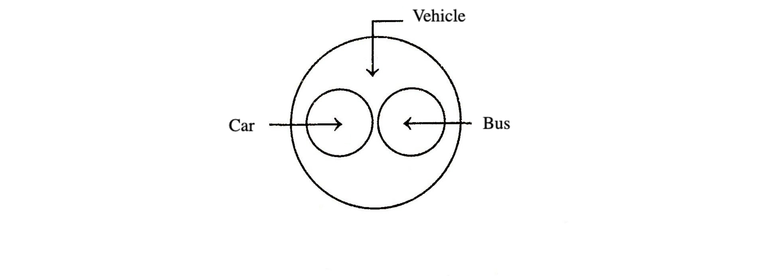
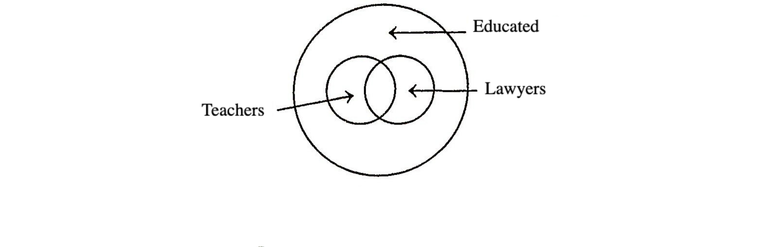
Bus and car are entirely different but both are vehicles.Case (II) When two groups of items have some common relationship and both of them are completely included in the third group, the relationships are shown by two smaller intersecting circle in a third large circle.

Example 3: Lawyers, Teacher, Educated

Solution: Venn diagram would be as follows

Some lawyers are teachers and some teachers are lawyers but all lawyers and teachers are educated.
Case (III) If one item belongs completely to the class of second while, third item is entirely different from the two, then they may be represented by the given below diagram in the example.

Example 4: Engineers, Human Beings, Rats

Solution: Venn diagram would be as follows
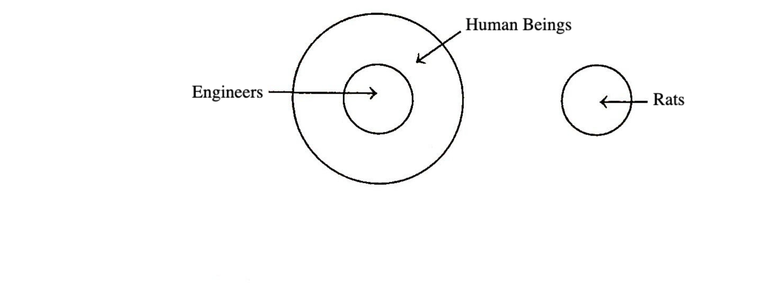

We know that, all engineers are human beings but rats are entirely different from both of these.

Case (IV) If one group of items is partly included in the second group of items and the third group is completelyunrelated to these two groups, then their relationship is diagrammatically show as in the following example.

Example 5: Wire, Copper, Paper

Solution: Venn diagram would be as follows
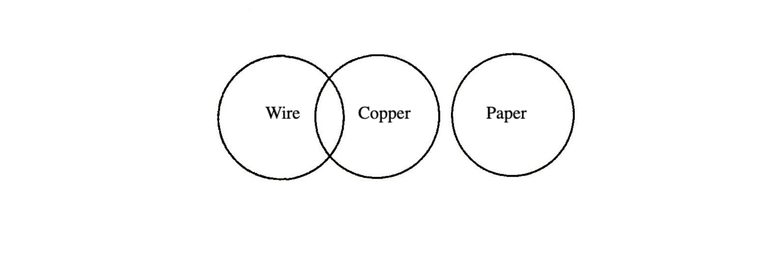
Show wires are made of copper but paper is entirely different.

Case (V) If one item belongs to the class of second and the third item is partly related to these two, then their relationships is as shown in the following example..

Example 6: Female, Mother, Doctors

Solution: Venn diagram would be as follows
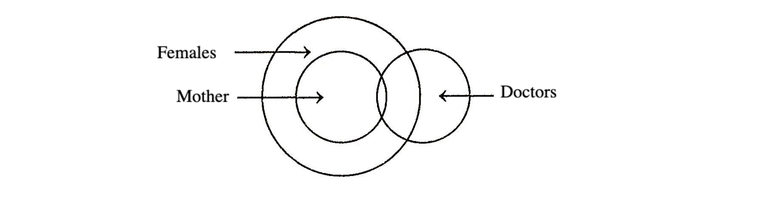
All mothers are females but some females and some mothers can be doctors. So, the circle representing doctors would intersect both of the two concentric circles.

Example 7: Doctor, Educated, Employed

Solution: Venn diagram would be as follows
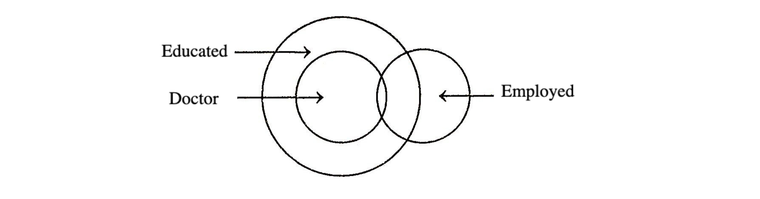
All the doctors are educated but some are employed.

Case (VI) If one item belongs to the class of second and the third item is partly related to the second, then their relationship is as shown in the following example.

Example 8: Male, Fathers, Children

Solution: Venn diagram would be as follows
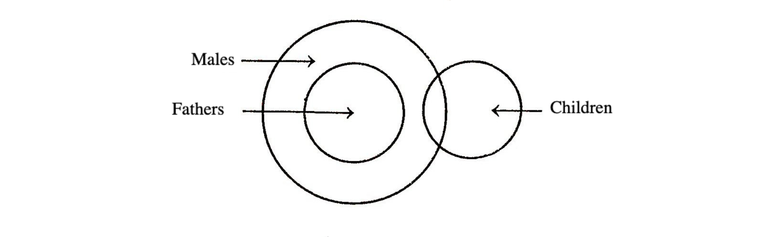

All fathers are males. This would be represented by two concentric circles but some males are children and children cannot be fathers.

Case (VII) If the items evidently belong to three different groups, then they are represented by three non-intersecting circles.

Example 9: Doctors, Lawyers, Engineers.

Solution: Venn diagram would be as follows
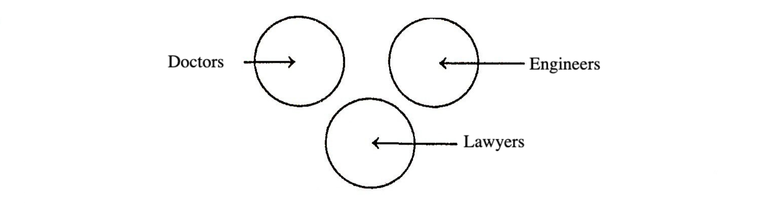

These three have no relationship between each other.

So, they are represented by three disjoint circles.

 Nmms study happy to share this interactive worksheet for your kind practice . This interactive worksheet is prepared by Mr. Prabath Zeal study thank him and appreciate his dedicated work


Comments

Total Pageviews

Popular posts from this blog

Zeal Study NMMS SAT Preparation 8th Standard Science - Microorganisms / நுண்ணுயிரிகள் Quiz

  8th Science - Microorganisms Quiz Zeal Study NMMS SAT Preparation 8th Standard Science - Microorganisms / நுண்ணுயிரிகள் (30 Marks) 1. நுண்ணுயிரிகள் எந்த அலகினால் அளவிடப்படுகின்றன? Microorganisms are measured in terms of: மில்லிமீட்டர் / Millimeter சென்டிமீட்டர் / Centimeter மைக்ரான் / Micron மீட்டர் / Meter விளக்கம்: நுண்ணுயிரிகள் மிகவும் மிகச் சிறியவை. அவை மைக்ரான் (அல்லது மைக்ரோமீட்டர்) என்ற அலகால் அளவிடப்படுகின்றன. ஒரு மைக்ரான் = 1/1000 மில்லிமீட்டர். Explanation: Microorganisms are extremely small and measured in microns (micrometers). 1 Micron = 1/1000 mm. 2. கீழே உள்ள படத்தில் காப்பப்பட்டுள்ள, பாக்டீரியாக்களைத் தாக்கி அழிக்கும் நுண்ணுயிரி எது? Identify the microorganism shown below that infects and destroys bacteria...

Zeal Study Quiz Corner Zeal NMMS SAT Preparation 7th Standard Mathematics (Term 1) - Unit 3: Algebra / இயற்கணிதம்

7th Maths Term 1 Unit 3 - Algebra Quiz Zeal Study Quiz Corner 7th Standard Mathematics (Term 1) - Unit 3: Algebra / இயற்கணிதம் Zeal NMMS SAT Preparation (30 Marks) 1. வெவ்வேறு எண் மதிப்புகளைக் கொள்ளக்கூடிய அளவீடு எவ்வாறு அழைக்கப்படுகிறது? A quantity which can take various numerical values is called a: மாறி (Variable) / Variable மாறிலி (Constant) / Constant கோவை (Expression) / Expression உறுப்பு (Term) / Term விளக்கம்: மாறக்கூடிய மதிப்புகளைக் கொண்டவை மாறிகள் (Variables - எ.கா: x, y, z) எனப்படும். Explanation: A variable is a symbol (usually a letter) that represents a quantity that can change. 2. கீழே உள்ள வரைபடத்தில் காப்பப்பட்டுள்ள "3x + 5" என்ற இயற்கணிதக் கோவையில் உள்ள 'மாறிலி' (Constant) எது? In t...

Zeal Study Quiz Corner Zeal NMMS SAT Preparation 7th Social Science (Term 1) - Geography Unit 2: Landforms / நிலத்தோற்றங்கள்

  7th Social Science Geography Unit 2 - Landforms Quiz Zeal Study Quiz Corner 7th Social Science (Term 1) - Geography Unit 2: Landforms / நிலத்தோற்றங்கள் Zeal NMMS SAT Preparation (30 Marks) 1. புவியின் மேற்பரப்பில் பாறைகள் உடைந்து சிறு சிறு துகள்களாகச் சிதைவடையும் செயல்முறை எவ்வாறு அழைக்கப்படுகிறது? The breaking and breaking down of rocks on the Earth's surface is called: பாறைச்சிதைவு / Weathering அரித்தல் / Erosion படிதல் / Deposition கடத்துதல் / Transportation விளக்கம்: புவியின் மேற்பரப்பில் உள்ள பாறைகள் தானாகவே உடைந்து நொறுங்குவது பாறைச்சிதைவு (Weathering) எனப்படும். காற்று, நீரால் கடத்தப்படுவது அரித்தல் எனப்படும். Explanation: Weathering is the breaking down or dissolving of rocks and minerals on the Earth's surface. ...

Zeal study 7th Science - Term 1 - Unit 1: அளவீட்டியல் / Measurement NMMS தேர்வு மாதிரி வினாத்தாள் (50 கொள்குறி வினாக்கள்)

7th Science Unit 1 - NMMS Quiz Zeal study 7th Science - Term 1 - Unit 1: அளவீட்டியல் / Measurement NMMS தேர்வு மாதிரி வினாத்தாள் (50 கொள்குறி வினாக்கள்) 1. சர்வதேச அலகு முறை (SI) எந்த ஆண்டு உருவாக்கப்பட்டது? / In which year was the International System of Units (SI) created? 1960 1971 1948 1954 Check Answer விளக்கம் / Explanation: 1971 ஆம் ஆண்டு எடைகள் மற்றும் அளவீடுகள் குறித்த பொது மாநாட்டில் SI அலகு முறை அதிகாரப்பூர்வமாக ஏற்றுக்கொள்ளப்பட்டது. / In 1971, the SI system was officially adopted at the General Conference on Weights and Measures. 2. கீழ்க்காண்பவற்றுள் எது அடிப்படை அளவு அல்ல? / Which of the following is NOT a fundamental quantity? நீளம் / Length நிறை / Mass அடர்த்தி / Density காலம் / Time Check Answer ...

Zeal Study Quiz Corner Zeal NMMS MAT Exam Preparation NMMS MAT - Numbers, Signs and Symbols / எண்கள், குறிகள் மற்றும் குறியீடுகள்

NMMS MAT Quiz - Mathematical Operations and Signs Zeal Study Quiz Corner NMMS MAT - Numbers, Signs and Symbols / எண்கள், குறிகள் மற்றும் குறியீடுகள் Zeal NMMS MAT Exam Preparation (30 Marks) B - அடைப்புக்குறி (Bracket) O - இன் (Of / Power) D - வகுத்தல் (Division) M - பெருக்கல் (Multiply) A - கூட்டல் (Addition) S - கழித்தல் (Subtraction) கணிதக் குறியீட்டு வரிசை முறை (BODMAS Rule Order) 1. '+' என்பது '÷' எனவும், '-' என்பது '×' எனவும், '×' என்பது '+' எனவும், '÷' என்பது '-' எனவும் கொண்டால்: 16 ÷ 4 + 2 × 5 - 3 = ? If '+' means '÷', '-' means '×', '×' means '+', and '÷' means '-', then evaluate: 16 ÷ 4 + 2 × 5 - 3 29 ...

Zeal NMMS SAT Preparation 8th Social Science - History Unit 4: People's Revolt/மக்களின் புரட்சி

8th History Unit 4 - People's Revolt Quiz Zeal Study Quiz Corner 8th Social Science - History Unit 4: People's Revolt மக்களின் புரட்சி Zeal NMMS SAT Preparation (30 Marks) பாளையக்காரர் புரட்சி (1755-1801) தென்னிந்தியப் புரட்சி (1800-1801) வேலூர் புரட்சி (1806) பெரும் புரட்சி (1857) ஆங்கிலேயருக்கு எதிரான ஆரம்பகால மக்கள் புரட்சிகள் (Major Early Revolts in India) 1. தமிழ்நாட்டில் பாளையக்காரர் முறையை (Palayakkarar System) கி.பி. 1529-இல் அறிமுகப்படுத்திய மதுரை நாயக்க மன்னர் யார்? Who introduced the Palayakkarar system in Tamil Nadu in 1529 AD with the help of minister Ariyanatha Mudaliar? விஸ்வநாத நாயக்கர் / Viswanatha Nayak திருமலை நாயக்கர் / Thirumalai Nayak ராணி மங்கம்மாள் / Rani Mangammal சொக்கநாத நாயக்கர் / Chokkanath...

Join our whatsapp group

Join NMMS Study Telegram Group

Followers
