
Nmms,Ntse,Trust -Mat study materials Topic: Blood relationship problems, Mental Ability Study materials online test

Blood Relation Test

Blood Relation problems mainly deal with the hierarchical structure of a family i.e., grand-parents, parents and children etc. Different relationships between the family members of different generations are given. To solve such questions, the entire family tree is to be constructed by plotting out the various relationships.
A blood relation is a very important topic of any Aptitude Test. Such questions may be asked directly or may be given in the form of coded blood relations or data sufficiency questions.

The typical relationships that are commonly used in blood relation problems are summarized below –

Basic Relationships Part I (Must be remembered):

1. Mother's Husband = Father

2. Father's Husband = Mother

3. Father’s or Mother’s son = Brother

4. Father’s or Mother’s daughter = Sister

5. Father’s or Mother’s brother = Uncle

6. Father’s or Mother’s sister = Aunt

7. Father’s or Mother’s father = Grandfather

8. Father’s or Mother’s mother = Grandmother

9. Brother’s or Sister’s Son = Nephew

10. Brother’s or Sister’s Daughter = Niece

11. Uncle’s or Aunt’s son or daughter = Cousin

12. Sister’s Husband = Brother-in-law

13. Brother’s wife = Sister-in-law

14. Son’s wife = Daughter-in-law

15. Daughter’s Husband = Son-in-law

16. Husband’s or wife’s sister = Sister-in-law

17. Husband’s or wife’s Brother = Brother-in-law

Basic Relationships Part II (For Understanding Purpose Only):

1. Grandfather's / Grandmother's only daughter-in-law = Mother

2. The only son of your father = Yourself

3. Your father’s wife = Mother

4. Grandfather's / Grandmother's only son = Father

5. Mother-in-law of mother = Grandmother


6. Father-in-law of mother = Grandfather

7. The only daughter of the father = Sister

8. Son of the only son of the father = Son

9. Son of the only son of the grandfather = Brother

10. Daughter of the only son of grandfather = Sister

Relations from one generation to next:


Tip #1: Sound knowledge of blood relations

Father's father ? Grandfather Mother's father ? Maternal grandfather

Father's mother ? Grandmother Mother's mother ? Maternal grandmother

Father's brother ? Uncle Mother's brother ? Maternal uncle

Father's sister ? Aunt Mother's sister ? Aunt

Children of uncle ? Cousin Children of maternal uncle ? Cousin

Wife of uncle ? Aunt Wife of maternal uncle ? Maternal aunt

Children of aunt ? Cousin Husband of aunt ? Uncle


Tip #2: Draw flowchart when suitable

Question: P is the mother of K; K is the sister of D; D is J’s father. How is P related to J?

A. Mother B. Grandmother 

C. Aunt D. Data inadequate

Solution: 
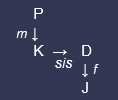

Thus, P is the mother of J’s aunt.

Or, in other words, P is the grandmother of J.

The correct option is B. (The letters beside/under the arrows indicate: m: mother, sis: sister, f: father)

Nmms study happy to share this interactive worksheet for your kind practice . This interactive worksheet is prepared by Mr. Prabath Zeal study thank him and appreciate his dedicated work,

Nmms,Ntse,Trust -Mat study materials

 Topic:Blood relationship problems

 Mental Ability Study materials  

Mental Ability online test

Comments

Total Pageviews

Popular posts from this blog

Zeal Study Quiz Corner Zeal NMMS SAT Preparation 7th Social Science (Term 1) - Geography Unit 2: Landforms / நிலத்தோற்றங்கள்

  7th Social Science Geography Unit 2 - Landforms Quiz Zeal Study Quiz Corner 7th Social Science (Term 1) - Geography Unit 2: Landforms / நிலத்தோற்றங்கள் Zeal NMMS SAT Preparation (30 Marks) 1. புவியின் மேற்பரப்பில் பாறைகள் உடைந்து சிறு சிறு துகள்களாகச் சிதைவடையும் செயல்முறை எவ்வாறு அழைக்கப்படுகிறது? The breaking and breaking down of rocks on the Earth's surface is called: பாறைச்சிதைவு / Weathering அரித்தல் / Erosion படிதல் / Deposition கடத்துதல் / Transportation விளக்கம்: புவியின் மேற்பரப்பில் உள்ள பாறைகள் தானாகவே உடைந்து நொறுங்குவது பாறைச்சிதைவு (Weathering) எனப்படும். காற்று, நீரால் கடத்தப்படுவது அரித்தல் எனப்படும். Explanation: Weathering is the breaking down or dissolving of rocks and minerals on the Earth's surface. ...

Zeal Study NMMS SAT Preparation 8th Standard Science - Microorganisms / நுண்ணுயிரிகள் Quiz

  8th Science - Microorganisms Quiz Zeal Study NMMS SAT Preparation 8th Standard Science - Microorganisms / நுண்ணுயிரிகள் (30 Marks) 1. நுண்ணுயிரிகள் எந்த அலகினால் அளவிடப்படுகின்றன? Microorganisms are measured in terms of: மில்லிமீட்டர் / Millimeter சென்டிமீட்டர் / Centimeter மைக்ரான் / Micron மீட்டர் / Meter விளக்கம்: நுண்ணுயிரிகள் மிகவும் மிகச் சிறியவை. அவை மைக்ரான் (அல்லது மைக்ரோமீட்டர்) என்ற அலகால் அளவிடப்படுகின்றன. ஒரு மைக்ரான் = 1/1000 மில்லிமீட்டர். Explanation: Microorganisms are extremely small and measured in microns (micrometers). 1 Micron = 1/1000 mm. 2. கீழே உள்ள படத்தில் காப்பப்பட்டுள்ள, பாக்டீரியாக்களைத் தாக்கி அழிக்கும் நுண்ணுயிரி எது? Identify the microorganism shown below that infects and destroys bacteria...

Zeal NMMS SAT Preparation Quiz Corner 7th Science (Term 3) - Unit 4: Chemistry in Everyday Life / அன்றாட வாழ்வில் வேதியியல்

7th Science Term 3 Unit 4 - Chemistry in Everyday Life Quiz Zeal Study Quiz Corner 7th Science (Term 3) - Unit 4: Chemistry in Everyday Life / அன்றாட வாழ்வில் வேதியியல் Zeal NMMS SAT Preparation (30 Marks) 1. காய்ச்சலைக் குறைக்கப் பயன்படும் வேதிப்பொருட்கள் எவ்வாறு அழைக்கப்படுகின்றன? Chemical substances used to reduce fever/body temperature are known as: வலி நிவாரணிகள் / Analgesics காய்ச்சல் நிவாரணிகள் (ஆண்டிபைரெடிக்ஸ்) / Antipyretics உயிர் எதிர்ப்பொருட்கள் / Antibiotics மன அமைதிப்படுத்திகள் / Tranquilizers விளக்கம்: காய்ச்சலைக் குறைக்கும் மருந்துகள் 'ஆண்டிபைரெடிக்ஸ்' (Antipyretics - எ.கா. பாராசிட்டமால்) எனப்படும். வலிகளைக் குறைப்பவை வலி நிவாரணிகள் (Analgesics) எனப்படும். Explanation: Antipyretics (e.g., Paracetamol) are chemical agents used to lower abnormally high b...

Zeal NMMS SAT Preparation 7th Standard Mathematics (Term 1) - Unit 2: Measurements / அளவைகள் Quiz

7th Maths Unit 2 - Measurements Quiz Zeal Study Quiz Corner 7th Standard Mathematics (Term 1) - Unit 2: Measurements / அளவைகள் Zeal NMMS SAT Preparation (30 Marks) 1. அடிப்பக்கம் 'b' மற்றும் உயரம் 'h' கொண்ட ஓர் இணைக்கரத்தின் பரப்பளவு (Area of a Parallelogram) காணும் சூத்திரம் எது? What is the formula to find the area of a parallelogram with base 'b' and height 'h'? b × h சதுர அலகுகள் / b × h sq. units 1/2 × b × h சதுர அலகுகள் / 1/2 × b × h sq. units 2(b + h) அலகுகள் / 2(b + h) units b² சதுர அலகுகள் / b² sq. units விளக்கம்: இணைக்கரத்தின் பரப்பளவு = அடிப்பக்கம் × உயரம் = b × h சதுர அலகுகள். Explanation: The area of a parallelogram is calculated as base × height (b × h). 2. கீழே உள்ள வரைபடத்தில் காட்ட...

Zeal study 7th Science - Term 1 - Unit 1: அளவீட்டியல் / Measurement NMMS தேர்வு மாதிரி வினாத்தாள் (50 கொள்குறி வினாக்கள்)

7th Science Unit 1 - NMMS Quiz Zeal study 7th Science - Term 1 - Unit 1: அளவீட்டியல் / Measurement NMMS தேர்வு மாதிரி வினாத்தாள் (50 கொள்குறி வினாக்கள்) 1. சர்வதேச அலகு முறை (SI) எந்த ஆண்டு உருவாக்கப்பட்டது? / In which year was the International System of Units (SI) created? 1960 1971 1948 1954 Check Answer விளக்கம் / Explanation: 1971 ஆம் ஆண்டு எடைகள் மற்றும் அளவீடுகள் குறித்த பொது மாநாட்டில் SI அலகு முறை அதிகாரப்பூர்வமாக ஏற்றுக்கொள்ளப்பட்டது. / In 1971, the SI system was officially adopted at the General Conference on Weights and Measures. 2. கீழ்க்காண்பவற்றுள் எது அடிப்படை அளவு அல்ல? / Which of the following is NOT a fundamental quantity? நீளம் / Length நிறை / Mass அடர்த்தி / Density காலம் / Time Check Answer ...

Zeal NMMS SAT - 8th Science Unit 10 - நம்மைச் சுற்றி நிகழும் மாற்றங்கள்/ (Changes Around Us) Quiz

Zeal NMMS SAT - 8th Science Unit 10 8.10 - நம்மைச் சுற்றி நிகழும் மாற்றங்கள் (Changes Around Us) | Total Marks: 30 1. வேதியியல் மாற்றம் என்பது எவ்வகையான மாற்றம்? A chemical change is a: A) மீள் மாற்றம் (Reversible change) B) மீளா மாற்றம் (Irreversible change) C) தற்காலிக மாற்றம் (Temporary change) D) இயற்பியல் மாற்றம் (Physical change) 2. வேதிவினை நிகழப் பின்வருவனவற்றுள் எது எப்போதும் கட்டாயத் தேவை இல்லை? Which of the following is not always mandatory for a chemical change? A) இயல்பு நிலைத் தொடர்பு (Contact in physical state) B) வினைபடு பொருட்கள் (Reactants) C) காந்தப் புலம் (Magnetic field) D) ஆற்றல் மாற்றம் (Energy change) 3. தாவரங்களில் நிகழும் ஒளிச்சேர்க்கை எவ்வகை வேதிவினைக்கு எடுத்துக்காட்டு? Photosynthesis in ...

Join our whatsapp group

Join NMMS Study Telegram Group

Followers
